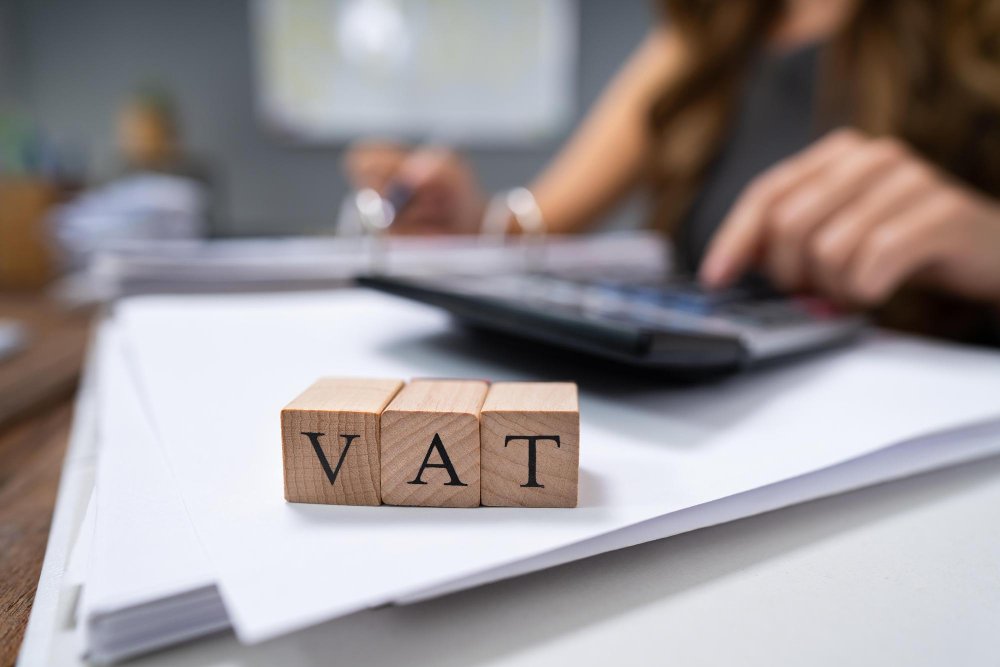
VAT compliance is among the most critical financial and regulatory obligations that must be met when running a business in Dubai. All businesses should be aware of their VAT responsibilities, keep the correct records, ensure the VAT return is accurate, and ensure it is filed on time.
It’s not just about collecting VAT from customers.VAT in Dubai is more than just the collection of VAT from customers. It also includes VAT return filing, maintaining accurate financial documentation, registering, record-keeping, tax invoices, input and output VAT, and much more. If a business owner is not sure if the procedures are in compliance, a practical form of a checklist can be utilized to discover areas where attention ought to be paid.
Businesses can manage these duties more effectively and minimize chances of unnecessary compliance difficulties by employing professional VAT services in Dubai.
1. Check Whether Your Business Needs VAT Registration
The first step towards going VAT compliant is to find out if your company needs to be registered for VAT. Under UAE VAT rules, businesses should determine their taxable supplies and registration obligations based on UAE VAT rules.
A VAT registration number is then issued, and once registered, a business is liable to comply with its VAT obligations. It is required to generally charge VAT on supplies which are taxable and to account for VAT correctly.
Knowing what is required for VAT registration is a crucial aspect of VAT management in Dubai. Any business that is not sure of its registration status should rely on the expertise of VAT consultants in UAE and understand their VAT obligations.
2. Make Sure Your Tax Invoices Are Correct
Tax invoices are an integral part of VAT compliance. Businesses should make sure that all the necessary information is included on business invoices and that they are accurate.
These can contain details such as the supplier’s details, customer details (where applicable), invoice number, date, description of goods/services, amount taxable, amount of VAT, amount payable.
Wrong or incomplete invoices can lead to issues when preparing VAT returns and may have an impact on supporting claims for VAT. Businesses can also benefit from professional VAT services in Dubai, which guide auditing and implementing consistent documentation practices for their invoicing processes.
3. Maintain Accurate VAT Records
At the core of VAT compliance are good record-keeping practices. It is important that businesses keep relevant invoices, credit notes, receipts, accounting records and other supporting documents.
Good record-keeping will help companies to identify the VAT they have collected from their customers and the VAT they may be able to reclaim on their business expenses.
It is also essential that businesses have their accounting systems correctly capture VAT transactions. Regular reconciliation will assist in detecting discrepancies or mistakes before making a VAT return.
When keeping VAT records gets tricky, VAT Advisory in Dubai can offer businesses useful tips on how they can streamline their accountancy and documentation processes.
4. Review Input and Output VAT
Another crucial compliance audit is input and output VAT.
VAT incurred by a registered business on taxable supplies is typically output VAT, and input VAT is typically VAT paid on taxed purchases and expenses by registered businesses.
When businesses are completing their VAT returns, they must ensure to record both categories accurately and know how much they are due or entitled to claim when the time comes.
If these numbers are compared on a regular basis, it can be identified that the invoices are lost, the figures have been entered incorrectly, the transactions have been duplicated, or any problems with accounting have occurred. VAT consultation services in UAE may help companies to audit VAT records and make sure the VAT calculations are accurate.
5. File VAT Returns on Time
The timely filing of VAT returns is critical for being compliant. Companies must be aware of their fixed tax period, and they need to make sure that their VAT return is prepared and submitted on time.
Businesses should check sales, purchases, input VAT, output VAT, adjustments, and records before lodging a return. Errors may increase if a person does not verify the underlying information before filing.
Businesses can benefit from a systematic process for preparing and reviewing VAT returns with reliable VAT services in Dubai. This can be helpful for businesses that don’t have a dedicated tax department.
6. Check Your VAT Payment Process
The compliance with VAT does not finish when submitting return. In the event of VAT being payable, companies need to make sure the payments are made in time.
VAT filing and payment dates should be well charted out for business owners. Last minute problems can be minimized and better financial management streamlined by planning ahead.
Businesses can also gain from professional VAT advisory in Dubai services, which can provide them with insights into their payment obligations and help them streamline their tax-related operations.
7. Review Your Compliance Regularly
VAT compliance should be a continuous journey, not a business-only concern when the VAT filing deadline is nearing.
VAT treatment can be impacted by changes in business activities, suppliers, customers, accounting systems or transaction structure. Regular in-house audits can help to pinpoint issues that need to be addressed.
Professional reviews may also be advantageous to businesses from time to time. An expert VAT consultancy in UAE can guide you in recognizing the possible compliance gaps and provide practical solutions to improve them.
How Al Rimsha Can Help
When entrepreneurs are already busy handling business everyday, managing VAT requirements can be a time-consuming task. As a professional financial and tax adviser, Al Rimsha offers comprehensive assistance to businesses in their VAT obligations, enabling them to navigate the complexities of the tax system with confidence.
To ensure registration eligibility, record keeping, reviewing VAT calculations and assisting with compliance procedures, professional advice can help streamline VAT management.
Partnering with VAT experts who are familiar with the UAE tax landscape and can offer actionable, business-oriented support can be advantageous for businesses seeking dependable VAT services in Dubai.
Final Checklist for Dubai Business Owners
Before considering your business VAT compliant, make sure you have:
- Reviewed your VAT registration status
- Kept Tax invoices up to date
- Kept appropriate VAT records
- Reviewed the input/output VAT
- Reconciled accounting records regularly
- Filed and prepared VAT returns in a timely fashion
- Made up any VAT payments, if applicable
- Regularly checked your VAT processes
- Followed advice given by the profession when it is recommended
Conclusion
For businesses aiming to ensure financial and tax compliance, grasping the nature of VAT in Dubai is crucial. Every stage of the process, from registration and invoicing to record-keeping, VAT calculations, filing, and payment, should be taken care of.
These obligations may be overwhelming, and VAT services in Dubai, VAT consultancy services in UAE, and VAT advisory can be of great assistance. By leveraging the right systems, businesses can navigate their VAT obligations more efficiently and concentrate on their long-term growth. By using the proper systems, businesses can effectively handle their VAT obligations and devote their resources to future growth and development under the guidance of a trusted provider like Al Rimsha.